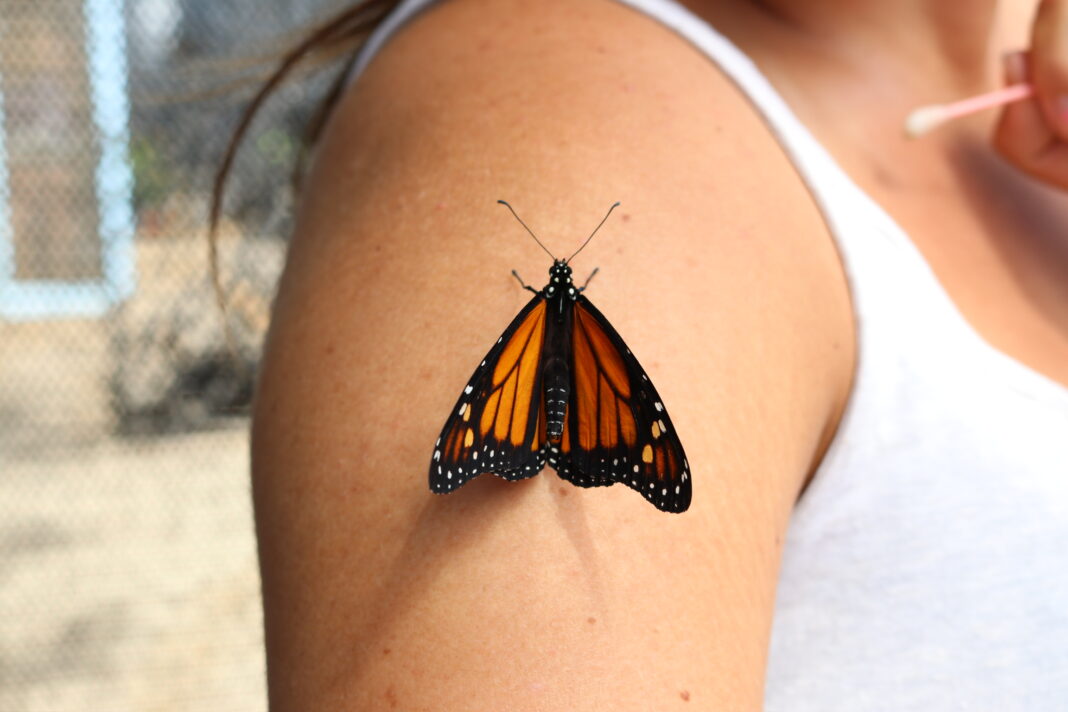

With Earth Day coming up on April 22, the monarch butterfly serves as a living reminder of what commitment to the planet can achieve. Honoring defenders like Homero Gómez González is not only about remembering the past, but also about carrying on their work. The rise in monarch numbers is more than a statistic; it shows that when people unite to care for the Earth, nature responds. Sometimes, that gratitude appears as forests returning. Other times, it comes quietly, as orange and black wings
resting on branches.
Homero Gómez González devoted his life to protecting the forests of Michoacán, Mexico. He cared deeply for the monarch butterflies and the land they depend on, a commitment so strong it ultimately cost him his life in January 2020. At the El Rosario Monarch Butterfly Preserve, Homero helped bring the forest back to life: planting new trees where loggers had stripped the land, defending water sources, and watching over the mountain sanctuary where millions of butterflies rest each winter after a 3,000-mile journey. In recent years, organized crime has tightened its grip on illegal logging and even the avocado trade in Mexico, and those who stand up for the land often risk everything
In March 2026, conservationists shared that the monarch butterfly population spending the winter in Mexico grew by 64 percent from the previous year. Scientists track monarch numbers by counting how many hectares of forest they use during winter in the Monarch Butterfly Biosphere Reserve. This increase is one of the biggest recoveries seen in recent years and offers hope after decades of decline caused by deforestation, pesticide use, and climate change.
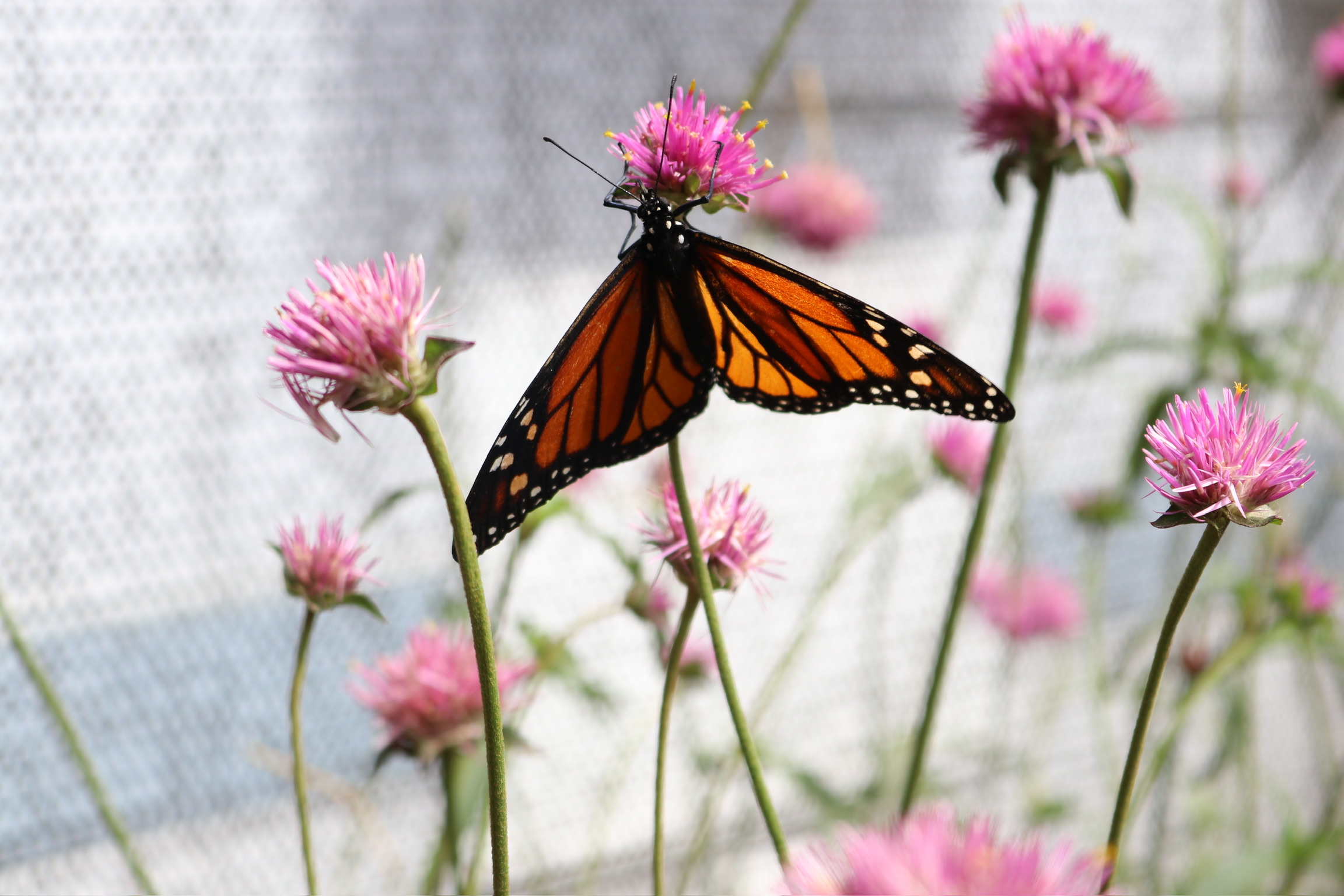
This increase did not happen by chance. It comes from the hard work of many people: Indigenous communities protecting their forests, local activists planting native oyamel fir trees, and groups in the United States and Canada promoting the planting of milkweed, which is the only food monarch caterpillars can eat. From small villages in Michoacán to gardens in North American suburbs, everyday people are helping to protect this remarkable migration.
Indigenous knowledge has long taught that when we respect and nurture the land, Mother Earth responds in abundance. The monarch butterfly is more than a species on a long journey. It links small mountain towns in Mexico with neighborhoods, schoolyards, and backyards throughout the United States and Canada. Its survival relies on everyday people: families planting milkweed, Indigenous communities protecting forests, and organizers speaking up when land is at risk. The monarch’s recent comeback shows that healing can happen, but only if we choose to protect the land, water, and creatures around us.
With Earth Day coming up on April 22, the monarch butterfly serves as a living reminder of what commitment to the planet can achieve. Honoring defenders like Homero Gómez González is not only about remembering the past, but also about carrying on their work. The rise in monarch numbers is more than a statistic; it shows that when people unite to care for the Earth, nature responds. Sometimes, that gratitude appears as forests returning. Other times, it comes quietly, as orange and black wings resting on branches.
Tribuno del Pueblo brings you articles written by individuals or organizations, along with our own reporting. Bylined articles reflect the views of the authors. Unsigned articles reflect the views of the editorial board. Please credit the source when sharing: tribunodelpueblo.org. We’re all volunteers, no paid staff. Please donate at http://tribunodelpueblo.org to keep bringing you the voices of the movement because no human being is illegal.