

Editor’s Note: The following article was originally published by La Talacha on April 10, 2026.
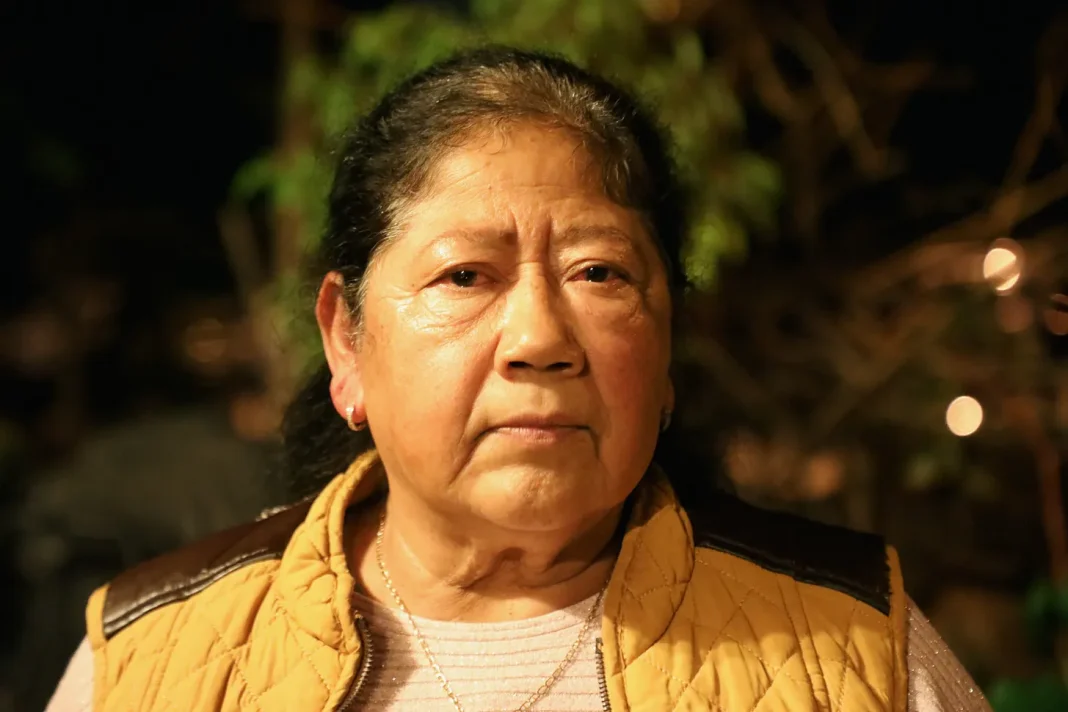
Marta’s Story
Marta Salazar is over 65 years old and originally from the state of Morelos. Like millions of Mexicans, she migrated to the United States seeking an opportunity to support her family.
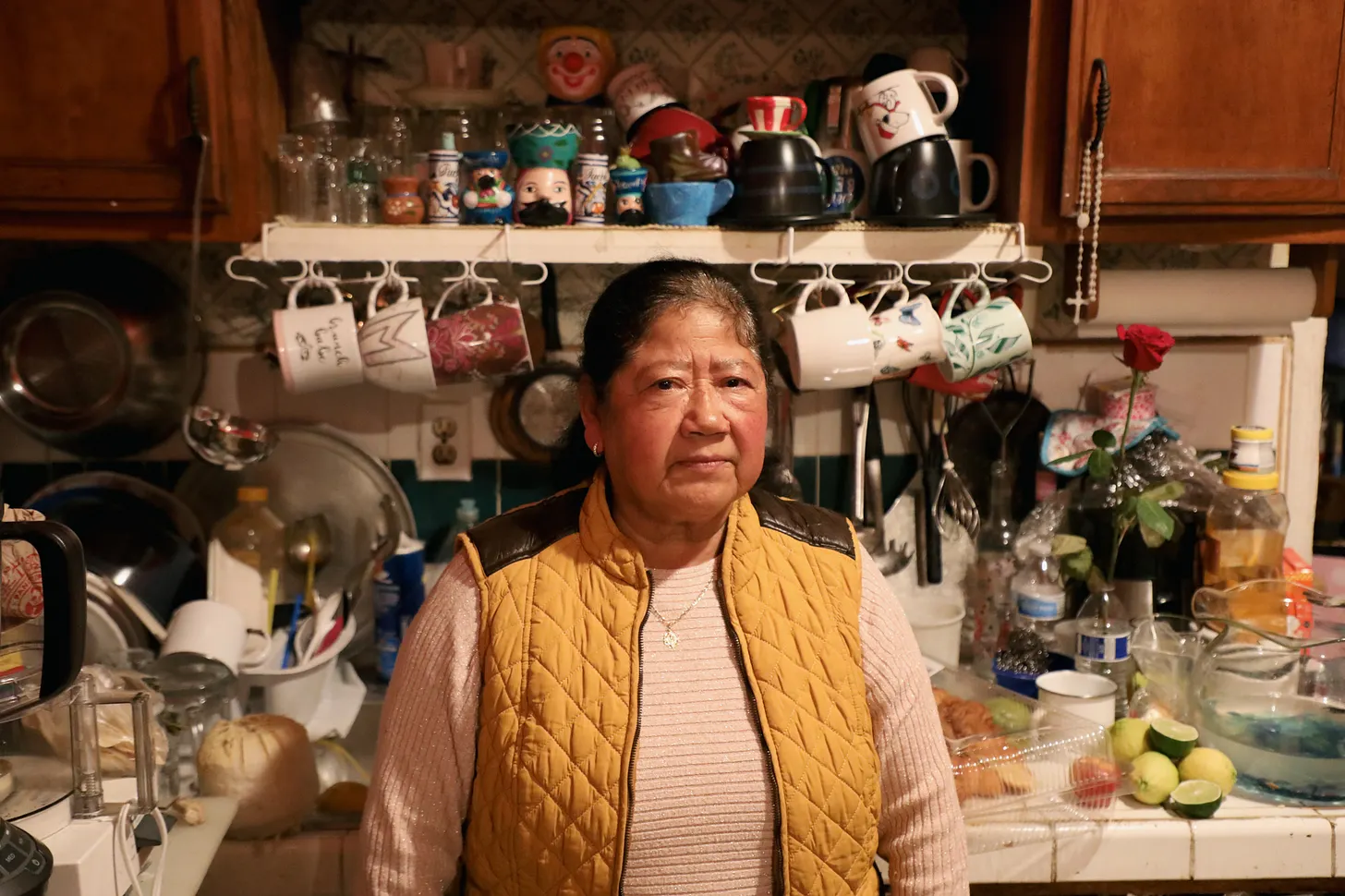
For more than 25 years, she worked cleaning homes, caring for children, and performing all kinds of domestic labor. Through her work, she supported her family and sent remittances to Mexico for decades. Today, after a lifetime of labor, Marta faces a reality shared by thousands of migrant workers: she has no pension, no savings, and her health has deteriorated.
A few years ago, Marta suffered a work-related accident that changed her life. Since then, working has become increasingly difficult. Rent, food, and medical expenses pile up, while job opportunities decrease with age. “I can’t wait any longer; my financial situation and my health are critical,” Marta says.
When she heard that the Mexican government would launch the Bienestar Women’s Pension for women aged 60 to 64, she was happy for those who could benefit. But she immediately asked herself—and many others now share this question: “And what about us?”
Migrating and Aging Without Protection
Thousands of elderly Mexicans who worked for decades in the United States—many as day laborers, domestic workers, caregivers, or in construction—do not qualify for pensions either in Mexico or in the U.S. Many now live in extreme poverty, facing illness, disabilities, or the physical inability to continue working.
“It’s sad,” Marta says. “We gave our best years in jobs that offered no pensions or opportunities to save.”
According to the Bank of Mexico, Mexican migrants sent more than $63 billion in remittances in 2023, a historic figure that has been a lifeline for millions of families and communities in Mexico. Yet those who sustained this economic flow for decades now face old age without social protection.
The Bienestar Pension and Exclusion
Just over a year ago, during a morning press conference, President Claudia Sheinbaum stated that her government was “reviewing the issue” of extending the pension to Mexicans living abroad.
The Bienestar Pension for Elderly People is a universal program of the Mexican government for those aged 65 and older. In 2026, it provides 6,400 pesos every two months directly through Banco del Bienestar, without intermediaries. Registration requires official ID, CURP, birth certificate, and proof of address.
This support is recognized as a constitutional right, designed to ensure a dignified old age. However, thousands of Mexicans who aged while working in the United States still do not have access to this right.
The Urgency of Action
The president has repeatedly referred to Mexicans living in the U.S. as “heroes” for their economic and social contributions. For Marta and thousands of migrant workers, those words must become action: “The right to the Bienestar Pension, recognized in our Constitution, must also reach those of us who aged working abroad.”
Migrant organizations and elderly rights groups are demanding that 2026 be the year this community’s exclusion ends, recognizing their vital role in Mexico’s economy. Despite having migrated out of necessity, they remain full Mexican citizens with rights.
The Mexican state has an obligation to guarantee a dignified old age. This is not only a matter of economic justice—it is recognition of a lifetime of labor, sacrifice, and contribution.
Tribuno del Pueblo brings you articles written by individuals or organizations, along with our own reporting. Bylined articles reflect the views of the authors. Unsigned articles reflect the views of the editorial board. Please credit the source when sharing: tribunodelpueblo.org. We’re all volunteers, no paid staff. Please donate at http://tribunodelpueblo.org to keep bringing you the voices of the movement because no human being is illegal.