

Editor’s Note: As of March 23, 2026, the policy to detain refugees without green cards under ‘Operation PARRIS’ has been blocked by a federal district court.
The term refugee has been scrutinized in this administration, and directly through Trump’s actions. Once stating he was “pro-legal immigration,” yet he stopped refugee admissions (with the exception of white Afrikaners), and enacted travel bans from multiple countries that are in the most dire need of help. A refugee is defined as someone who is outside of their home country with a well founded fear of persecution. This can include race, religion, nationality, or membership in a particular political or social group. Resettlement provides a safe haven for those who cannot go back to their home country.
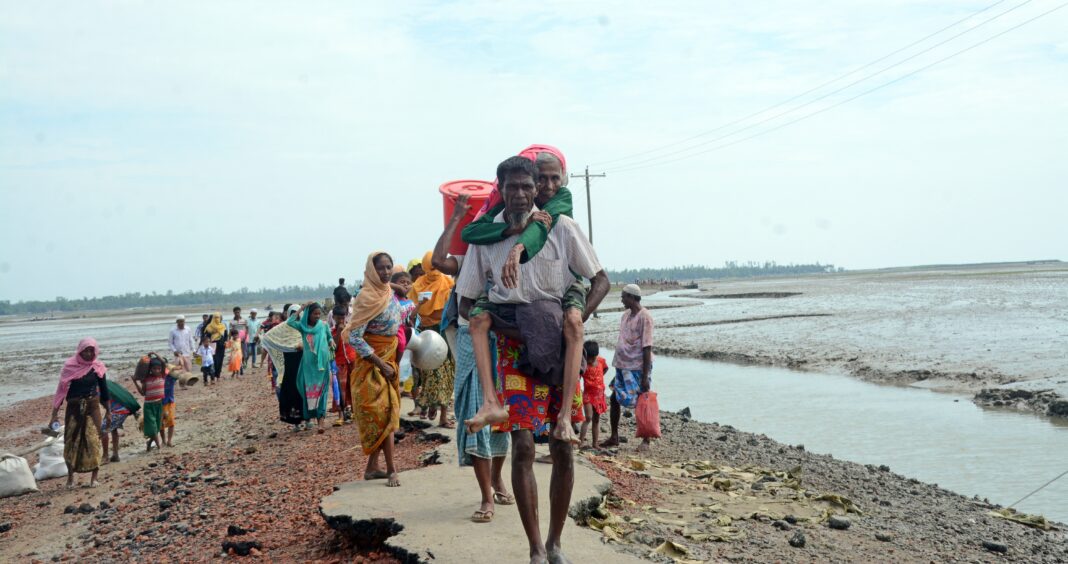
One group of refugees, the Rohingyas, a Muslim ethnic minority group from Buddhist Myanmar, known as Burma, have been denied citizenship since 1982. They are the world’s largest stateless population, and since 2017, hundreds of thousands have been killed and persecuted to Bangladesh to seek refuge. In 2025, there were more than 3.5 million internally displaced people in Myanmar. Humanitarian aid is critical for this often overlooked population.
Now, there are about 12,000 Rohingyas in the United States with the majority of them living in the Chicagoland area. To be a refugee means going through countless security screenings, interviews, and retelling of trauma over, and over, and over again—before they even set foot into the United States. All in hopes to be granted life in a country that has promised the ‘American Dream’. The entire process is often time consuming, spanning 18-24 months.
Most predominant refugee populations come from Syria, Rohingya, Afghanistan, Democratic Republic of Congo, Ethiopia, and Somalia. But in order to truly understand the obstacles refugees face, we should like at what one single case can look like. Khatoon is a single Rohingya mother of 3. She has fled Burma in hopes of seeking refuge in the United States. She first has to find a UN Refugee Agency (UNHCR) in a neighboring country she has fled to. She has to be determined to meet the qualifications of a refugee, and get her case submitted. Then, she has to be pre-screened by a Resettlement Support Center (RSC) with refugee officers from both DHS and USCIS. After comes the official interview with additional officers from both DHS and USCIS. Finally, she has to go through additional health and security checks, cultural orientation, until final travel preparations are conducted. This process can take years, depending on the severity of the case as well. After they arrive to the United States, they can obtain their green card after one year, and become a citizen at the 5-year mark of residency.
During the time they are waiting for their green card, they receive a work permit and unrestricted social security card that allows them to work legally in the United States. They are usually not in fear of persecution, as they are legal, but under Operation PARRIS, they could be now as they have not received their green cards. This outright discrimination of black and brown refugees with what we have already seen in Minnesota, cannot be ignored during re-interviews and the possible revocation of their status.
In addition, under Trump’s HR1 bill (passed July 4, 2025) beginning April 1 2026, refugees and other immigrants who did not receive their green card will be ineligible to receive SNAP, or Supplementary Nutrition Assistant Program, benefits. When refugees first resettle into the United States, they rely on government benefits until they receive their social security cards and work permits and can start working. However, a majority of refugees start working within 90 days as the program requires them to become self-sufficient. This is another attack on the refugee community, who are just trying their best to support their families.
Refugees are one of the most highly vetted immigration statuses. However, with new policy under the Trump Administration, they are forced to be revetted after already living in the United States. Operation PARRIS (Post-Admission Refugee Reverification and Integrity Strengthening) conducted in Minnesota, reexamined thousands of refugee cases through additional background checks and verification of refugee claims if they have not received their green card. Cases deemed fraudulent have been referred to ICE, potentially for deportation.
This means that refugees who have been in the United States for more than one year and have applied for their green card, but have not received it yet, face potential ICE detention and retellings of their trauma. Retellings that they have put behind them. This is incredibly traumatic to the refugee community within the United States, as they now face immigration enforcement from a country that promised to initially protect them and invited them in the first place. Advocates say this is “punishing people who came to the U.S. legally, after fleeing warzones and violence, on dubious security or fraud allegations and questionable legal grounds.”
This is extremely concerning, as one of the most vetted immigration statuses are now being held to question under claims of fraud. These populations left their countries out of fear, but are now facing a new fear – being exiled once again.
Tribuno del Pueblo brings you articles written by individuals or organizations, along with our own reporting. Bylined articles reflect the views of the authors. Unsigned articles reflect the views of the editorial board. Please credit the source when sharing: tribunodelpueblo.org. We’re all volunteers, no paid staff. Please donate at http://tribunodelpueblo.org to keep bringing you the voices of the movement because no human being is illegal.


Thank you for this article, Your take on this article made this population more vivid, visible, and humane.