
Editor’s Note: This article was initially written by Espi Sandoval, an Educator based in Central Valley, California.
For generations, Mexican and Central American families have helped build the economic foundation of California’s Central Valley. We have harvested the crops that feed America, built businesses, educated our children, and contributed to our communities’ prosperity. Yet despite these contributions and our growing population, the region’s modern majority-Latino congressional districts have never elected a representative of Mexican or Central American descent to Washington.
We have elected congressional representatives of Portuguese ancestry, including Jim Costa, John Duarte, David Valadao, Devin Nunes, Dennis Cardoza, and Tony Coelho. Their contributions are part of our political history. However, the November 3, 2026, election offers a chance to make a different kind of history. Randy Villegas can become the first member of Congress ever elected from the Central Valley of Mexican descent.
With the passage of Proposition 50, California’s newly drawn Congressional District 22 is approximately 74% Latino. Latino citizens also represent approximately 65% of the district’s citizen voting-age population. These numbers reflect the growing political presence of a community that has historically struggled to translate its population into electoral influence.
Having spent more than four decades working in education and serving rural communities throughout the Central Valley, I believe one of our greatest challenges has been voter participation. Too many eligible residents remain disconnected from the political process, even as decisions made in Washington directly affect their families.
Today, those decisions carry extraordinary consequences.
Immigration enforcement operations have created fear and uncertainty throughout our agricultural communities. Families worry about loved ones being detained while traveling to work, shopping for groceries, or carrying out ordinary daily activities.
These concerns are particularly serious for mixed-status families, where U.S. citizens, permanent residents, DACA recipients, and undocumented immigrants may live under the same roof.
For these families, immigration policy is not an abstract political debate. It is a daily reality.
That is why I was deeply disappointed by the January 7, 2025, congressional vote on the Laken Riley Act.
Congressmen Jim Costa, Adam Gray, and David Valadao all voted for the legislation.
The law expands mandatory immigration detention for certain noncitizens accused of specified crimes, even without a criminal conviction. Supporters argue that it strengthens public safety and prevents dangerous individuals from remaining in the country. Critics warn that it weakens due process protections and increases the risk of unjust detention.
In my opinion, this legislation raises serious questions about fairness and the possibility of racial profiling.
As a Latino who immigrated to this country as a child, I find it troubling that someone’s appearance, language, or perceived immigration status could become a reason for suspicion.
Our Constitution promises due process and equal protection under the law. Those principles should never depend on someone’s skin color.
I also believe we must hold our elected representatives accountable for their decisions, regardless of political affiliation.
Congressmen Costa and Gray are Democrats, while Valadao is a Republican. Yet all three supported this legislation. Their votes show why we must look at what elected officials actually do in Washington rather than relying on party labels.
Immigration is not the only issue affecting our communities.
Health care is equally important.
Congressman Valadao’s support for federal legislation that would reduce projected Medicaid spending has raised serious concerns about the future of Medi-Cal coverage in the Central Valley.
For agricultural workers, seniors, children, and low-income families, access to health care can mean the difference between receiving necessary treatment and going without medical attention.
These policies deserve careful public examination because their consequences extend far beyond Washington.
The congressional race between Randy Villegas and David Valadao also presents an important conversation about representation.
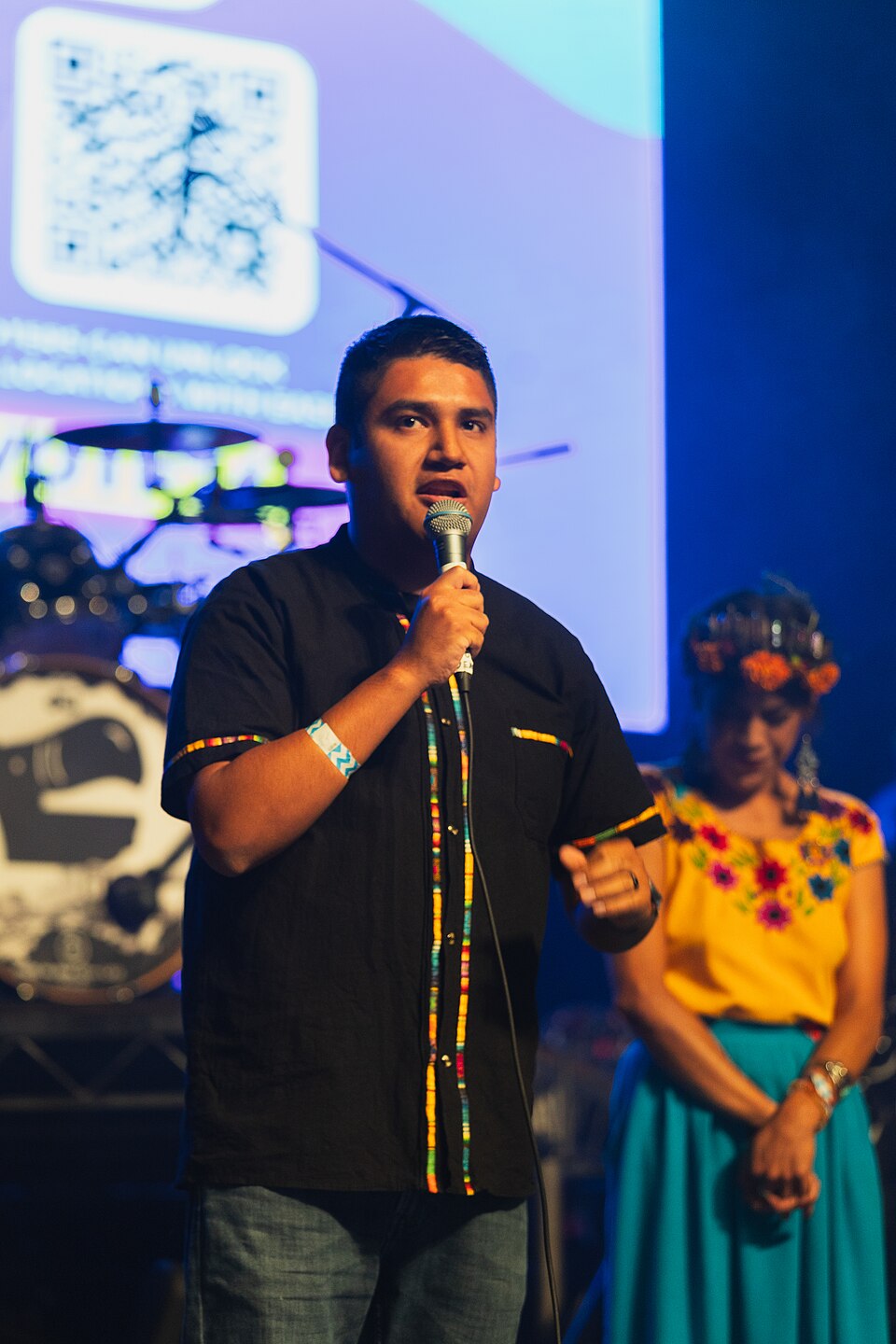
Villegas, the son of Mexican immigrants and a political science professor, brings personal experiences that resonate with many Central Valley families. His brother is a DACA recipient, and Villegas has spoken publicly about the challenges immigrant households face.
Valadao, a longtime congressman and dairy farmer, has chosen to side with the Trump Agenda on issues that go against our Latino population when it comes to immigration.
Voters deserve the opportunity to evaluate both candidates based on their records, proposals, leadership, and understanding of the communities they seek to represent.
But this election is about something larger than two candidates.
It is about whether our communities recognize the political influence they possess and exercise that influence through informed participation.
Our parents and grandparents worked long hours in the fields so future generations could have greater opportunities. Many sacrificed their education, endured discrimination, and struggled economically to give their children a better future.
Their sacrifices helped build the Central Valley we know today.
Now, a new generation has an opportunity to help shape its political future.
With Latinos representing nearly three-quarters of Congressional District 22’s population, this election offers an extraordinary opportunity to elect a representative of Mexican descent from one of the Central Valley’s modern majority-Latino congressional districts.
If eligible Latino voters participate in large numbers on November 3, they could play a decisive role in determining who represents their communities in Washington.
For me, community leadership has always meant becoming educated and returning to serve the people who helped shape our lives.
That responsibility includes teaching young people about government, helping eligible residents understand the voting process, and encouraging thoughtful discussion about public policy.
The 2026 election could become a significant milestone in the history of Mexican American congressional representation in the Central Valley.
But population numbers alone will not determine that history.
Political participation, informed decision-making, and accountability will.
Our communities have contributed to this nation’s prosperity for generations. We deserve elected representatives who understand our experiences, protect constitutional rights, and recognize the dignity of every family.
On November 3, 2026, voters in Congressional District 22 will have the opportunity to help shape the future of representation in the Central Valley.
The strength of our democracy depends on people exercising their right to vote and making their voices heard in Washington.
Tribuno del Pueblo brings you articles written by individuals or organizations, along with our own reporting. Bylined articles reflect the views of the authors. Unsigned articles reflect the views of the editorial board. Please credit the source when sharing: tribunodelpueblo.org. We’re all volunteers, no paid staff. Please donate at http://tribunodelpueblo.org to keep bringing you the voices of the movement because no human being is illegal.